Companion Planting Guide: What Works, What Doesn’t, and How to Plan
Quick answer: Companion planting is the intentional growing of two or more plant species near one another to use space efficiently, support beneficial insects, provide physical support, or sometimes reduce pest damage. The most reliable benefits come from matching plant size, maturity time, light, water, and nutrient needs—not from rigid “good companion/bad companion” charts. Use research-backed combinations where available, but treat companion planting as one part of good garden design rather than a cure-all.
Companion planting can be useful, but the term covers several very different gardening practices. Growing radishes beside carrots to use space efficiently is not the same as planting flowers to attract beneficial insects, using nasturtiums as a trap crop, or growing beans up corn stalks.
That distinction matters because some companion-planting ideas are well supported by research, while others are mostly repeated from traditional charts without clear evidence. A practical garden should use the first group confidently and treat the second as optional experiments.
What Companion Planting Actually Means
Companion planting is the intentional placement of different plant species close together to achieve a useful result. In a home vegetable garden, that result usually falls into one of five categories:
- Space efficiency: combining crops with different sizes or maturity times.
- Succession planting: harvesting a fast crop before a slower crop needs the space.
- Beneficial-insect support: growing flowers that provide nectar or pollen for predators, parasitoids, and pollinators.
- Pest management: using plants that repel, mask, distract, or attract specific insects.
- Physical support or microclimate: using one crop for shade, wind protection, groundcover, or a climbing structure.
University extension guidance supports all of these approaches, but it also emphasizes choosing plants based on their actual growth patterns and resource needs rather than assuming every traditional pairing is mutually beneficial.
The Most Reliable Companion-Planting Strategy: Match the Plants
Before looking at a companion chart, compare the plants you want to combine.
| Question | Why it matters |
|---|---|
| How large will each plant become? | A small transplant may later shade or crowd its neighbor. |
| How long does each crop take to mature? | A fast crop can often be harvested before a slower one fills the space. |
| Do they need the same amount of sun? | Shade-tolerant greens can fit near tall crops; peppers usually cannot. |
| Are their water needs similar? | Basil and tomatoes are easier to irrigate together than basil and established rosemary. |
| Do they compete heavily for nutrients? | Two large, heavy-feeding crops may need more space and fertility than expected. |
| Do they share major pests or diseases? | Closely related crops can concentrate pest and disease pressure. |
| Can you still reach the main crop? | Harvest and pest inspection become difficult in overplanted beds. |
1. Use Companion Planting to Save Space
Space-saving combinations are among the easiest companion plantings to use successfully because the benefit is straightforward and measurable.
A classic example is sowing radishes with carrots. Radishes mature quickly and are harvested before the slower carrots need the full root and canopy space. The plants are not “helping” each other chemically; they simply occupy the bed at different times.
Other useful combinations include lettuce around young broccoli, radishes between cauliflower transplants, and early greens in a bed that will later hold tomatoes, peppers, eggplant, or corn.
This kind of companion planting is closely related to succession planting and often provides the most dependable increase in total garden production.
2. Add Flowers for Beneficial Insects
Flowering plants can provide nectar and pollen for pollinators, predatory insects, and parasitoids. These beneficial insects may help suppress pests or improve pollination around the garden.
Small clustered flowers are especially useful because they are accessible to tiny beneficial insects. Good choices include sweet alyssum, buckwheat, flowering cilantro, flowering dill, flowering basil, mountain mint, and anise hyssop where perennial space is available.
Place larger flowering plants around the perimeter rather than directly against vegetable stems. The goal is to add insect resources without competing heavily with the crop.
3. Use Research-Backed Pest Pairings Carefully
Some plants really can influence insect behavior. Aromatic compounds may repel certain insects, mask host-plant odors, or make it harder for pests to locate a crop. But these effects are usually specific rather than universal.
- thyme, onion, and nasturtium reducing caterpillar damage in broccoli systems
- basil reducing thrip pressure in tomatoes in some studies
- African and French marigolds suppressing certain soil-dwelling nematodes under specific conditions
- nasturtiums and marigolds reducing some squash bug or cucumber beetle damage in research
These examples do not justify a claim that one aromatic herb repels every pest around it. If a specific insect is already causing serious damage, identify it and use a control appropriate to that pest.
4. Understand Trap Cropping Before You Try It
A trap crop is deliberately planted because a pest prefers it over the crop you want to protect. This can work, but only if the trap crop is monitored and managed.
Simply planting a pest-attracting plant beside a vegetable and walking away may increase the number of pests in the area. Effective trap cropping usually requires the trap crop to be established at the right time, placed strategically, and treated or removed before the pest moves back into the main crop.
Nasturtiums, radishes, and mustard crops are often described as trap crops, but their usefulness depends on the target insect and the rest of the management plan.
5. Use Physical Support and Shade Deliberately
Some companion relationships are mainly structural. The best-known example is the Three Sisters system of corn, beans, and squash.
Corn provides vertical structure, climbing beans can use the stalks for support, and squash spreads across the soil surface. This is a sophisticated Indigenous agricultural system with many regional variations, not one universal planting recipe.
If you want to try it, see Best Companion Plants for Corn + How to Plant the Three Sisters.
Shade can also be useful when applied deliberately. Lettuce or other greens may benefit from partial shade beside tall crops in hot weather, but fruiting vegetables such as peppers and eggplant generally need strong light and should not be buried beneath a taller canopy.
Do Legumes Feed Neighboring Plants Nitrogen?
Beans, peas, clover, cowpeas, and other legumes form relationships with nitrogen-fixing bacteria. That is valuable for soil fertility, but the common explanation that beans directly “feed” nearby corn or tomatoes during the same season is too simple.
Much of the nitrogen fixed by a growing legume is used by the legume itself. More nitrogen becomes available to later crops as roots, nodules, and plant residues decompose.
Legumes can reduce fertilizer needs within a rotation or cover-crop system, but they should not be used as a reason to ignore a soil test or the fertility needs of a heavy-feeding crop.
Do Deep Roots Eliminate Competition?
Different root structures can help plants use different portions of the soil profile, which is one reason mixed planting can work well. But it is an overstatement to say deep-rooted and shallow-rooted plants do not compete.
Roots overlap, water moves through the soil, and nutrients are not permanently divided into separate layers. Plant density, irrigation, fertility, and mature size still determine whether a combination works.
Best Companion-Planting Examples for a Home Garden
| Main crop | Useful companions | Main reason |
|---|---|---|
| Tomatoes | Basil, early lettuce, flowering herbs | Compatible growing conditions, some pest research, efficient use of space |
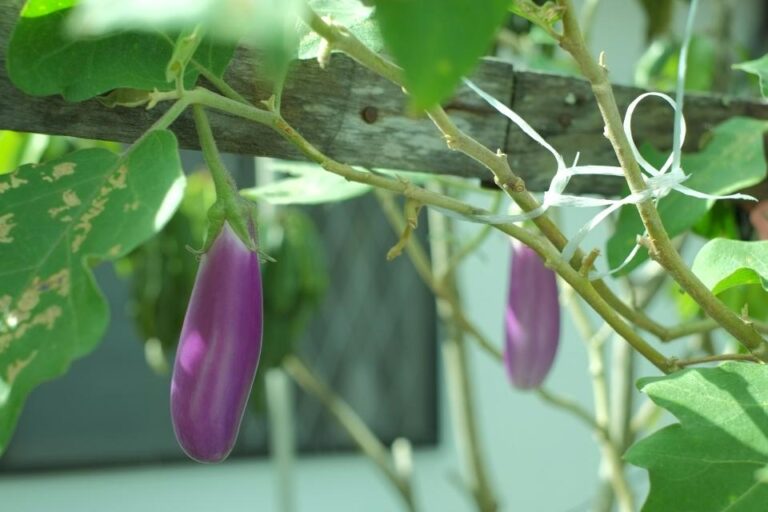
| Eggplant | Basil, parsley, bush beans, alyssum | Warm-season compatibility and insect resources |
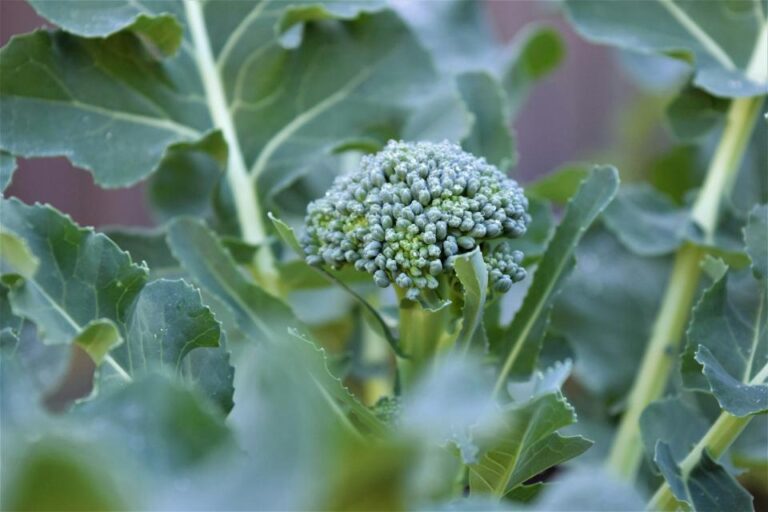
| Broccoli | Onions, thyme, lettuce, radishes | Pest-disruption research and temporary space use |
| Cauliflower | Onions, lettuce, radishes, dill | Cool-season compatibility and space efficiency |
| Brussels sprouts | Onions, lettuce, thyme, cilantro | Long-season bed use and beneficial insects |
| Corn | Beans, squash, cowpeas, flowering strips | Physical support, groundcover, diversity |
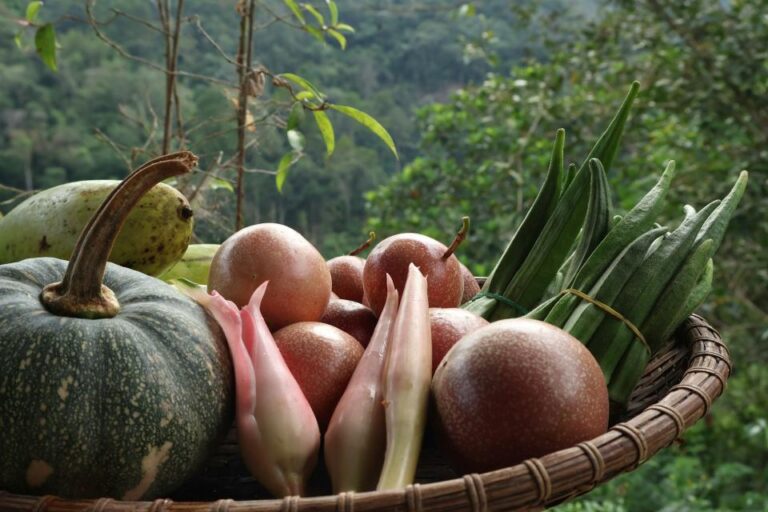
| Okra | Bush beans, peppers, basil, alyssum | Warm-season compatibility and border flowers |
| Basil | Tomatoes, peppers, eggplant | Similar heat, sun, and water needs |
For crop-specific details, see our guides to eggplant companions, okra companions, basil companions, broccoli companions, Brussels sprout companions, and cauliflower companions.
What Not to Plant Together
Most traditional “never plant these together” lists are too rigid. Plants are usually poor neighbors because of practical conflicts rather than mysterious chemical hostility.
| Problem | Example | Better approach |
|---|---|---|
| Too much shade | Corn south of peppers | Keep sun-loving fruiting crops on the sunny side |
| Heavy competition | Pumpkin vines packed around cauliflower | Give both crops normal mature spacing |
| Different water needs | Basil and mature rosemary on one irrigation line | Place the drier herb at the bed edge |
| Shared pests and diseases | Dense block of broccoli, cabbage, and cauliflower | Rotate the entire brassica family and avoid needless crowding |
| Aggressive spread | Mint planted directly in a vegetable bed | Grow it in a container |
| Conflicting seasons | Cool-season broccoli packed with heat-loving eggplant | Use succession planting instead |
How to Plan a Companion Garden
- Choose the main crop. Design the bed around the crop you care most about.
- Check mature spacing. Use the seed packet or reliable growing guide, not transplant size.
- Note the seasonal window. Decide which crops can grow before, during, and after the main crop.
- Match water and sunlight needs. Avoid combinations requiring opposite irrigation or light conditions.
- Add temporary crops. Radishes, lettuce, and other quick crops can use early open space.
- Add flowering plants around the edge. Keep larger insectary plants outside the main root zone.
- Preserve access. Leave room for watering, harvesting, staking, and pest checks.
- Monitor results. Keep combinations that actually work in your climate and discard those that do not.
A Simple 4-by-8-Foot Companion Bed
For a typical summer bed, choose two or three main fruiting plants rather than trying to fit every recommended companion into one space.
- Place tomatoes, peppers, or eggplant according to full mature spacing.
- Add basil or parsley only in open gaps where airflow remains good.
- Use radishes or lettuce before the warm-season plants fill the bed.
- Plant sweet alyssum or another low flower along one edge.
- Keep a clear path or edge for harvesting and pest inspection.
A simpler layout usually performs better than a crowded “companion ecosystem” where every plant is competing for the same light and water.
Companion Planting and Crop Rotation Are Not the Same
Companion planting changes what grows together at the same time. Crop rotation changes where plant families are grown from one season or year to the next.
Rotation is especially important for soilborne pests and diseases. For example, broccoli followed by cauliflower in the same bed is not a meaningful rotation because both are brassicas and share many disease risks.
Use companion planting to improve the current bed and crop rotation to reduce longer-term pest and disease pressure.
Common Companion-Planting Myths
| Claim | Better interpretation |
|---|---|
| “Basil makes tomatoes taste better.” | The plants are culturally compatible, but predictable flavor improvement is not well established. |
| “Beans feed nearby plants nitrogen.” | Legumes fix nitrogen, but much remains in the legume during active growth. |
| “Marigolds repel every garden pest.” | Some marigolds have documented effects on certain nematodes and insects, but results are pest- and method-specific. |
| “Aromatic herbs protect the whole bed.” | Volatile compounds can affect certain insects, but protection is partial and specific. |
| “Deep-rooted plants never compete with shallow-rooted plants.” | Different root structures can improve resource use, but competition still occurs. |
| “Bad companions poison each other.” | Most poor pairings are better explained by shade, competition, season, or shared pests. |
Frequently Asked Questions
Does companion planting really work?
Yes, but not every claimed pairing works for the same reason or with the same reliability. Space-saving combinations, succession planting, flowering insectary plants, physical support, and some specific pest-management pairings have good practical or research support.
What is the easiest companion planting for beginners?
Start with space-saving combinations: radishes with slower root crops, lettuce between young broccoli or cauliflower, basil near peppers or tomatoes, and flowering alyssum along vegetable-bed edges.
Do I need a companion planting chart?
A chart can provide ideas, but it should not replace checking mature size, seasonal timing, sun, water, fertility, and shared pests. Those factors are more reliable than a simple “yes/no” compatibility table.
Can companion planting replace pesticides?
No. Some combinations can reduce pest pressure, but serious infestations still require identification, monitoring, physical controls, biological controls, or appropriately labeled treatments.
Should flowers be mixed directly into vegetable rows?
Small flowers can fit inside a bed, but large flowering plants are often easier to manage around the perimeter. The goal is to provide insect resources without stealing space from the crop.
The Practical Bottom Line
Companion planting works best when it is treated as garden design rather than garden folklore. Start with the needs of the main crop, use temporary crops to fill early gaps, add flowers for beneficial insects, and use specific research-backed pest combinations where they make sense.
Do not overcrowd the bed simply because a chart says two plants are compatible. Healthy spacing, correct watering, good soil, crop rotation, and regular pest monitoring will usually matter more than the identity of the plant growing next door.
Explore more crop-specific planning in the Vegetables, Herbs & Edible Gardening hub.