Longevity Spinach Plant: How to Grow, Harvest, and Use It
Quick answer: Longevity spinach (Gynura procumbens) is a heat-loving perennial leafy green, not true spinach. It grows best in warm, frost-free climates, tolerates sun to partial shade, and is usually propagated from stem cuttings rather than seed. Harvest young leaves and tender shoot tips regularly to encourage compact new growth. In colder regions, grow it as an annual or keep a container plant indoors through winter.
For gardeners who lose lettuce and true spinach as soon as summer arrives, longevity spinach offers a very different option. It is a sprawling tropical plant with fleshy green leaves that can be eaten raw when young or cooked like other leafy greens.
Its value in the garden is straightforward: it handles heat, regrows after harvesting, roots easily from cuttings, and can produce for much of the year in tropical and subtropical climates. However, it is frost-tender, its flavor is not identical to spinach, and many medicinal claims attached to the plant are based on traditional use or early research rather than proven treatments.
Longevity Spinach at a Glance
| Botanical name | Gynura procumbens |
|---|---|
| Plant type | Tropical herbaceous perennial |
| Family | Asteraceae |
| Typical size | About 2–3 feet tall with spreading stems |
| Light | Full sun to partial shade |
| Water | Average, consistent moisture with good drainage |
| Cold tolerance | Frost-tender; cold can kill top growth or the entire plant |
| Best outdoor climate | Generally USDA Zones 9–11 |
| Propagation | Stem cuttings |
| Edible parts | Young leaves and tender shoot tips |
What Is Longevity Spinach?
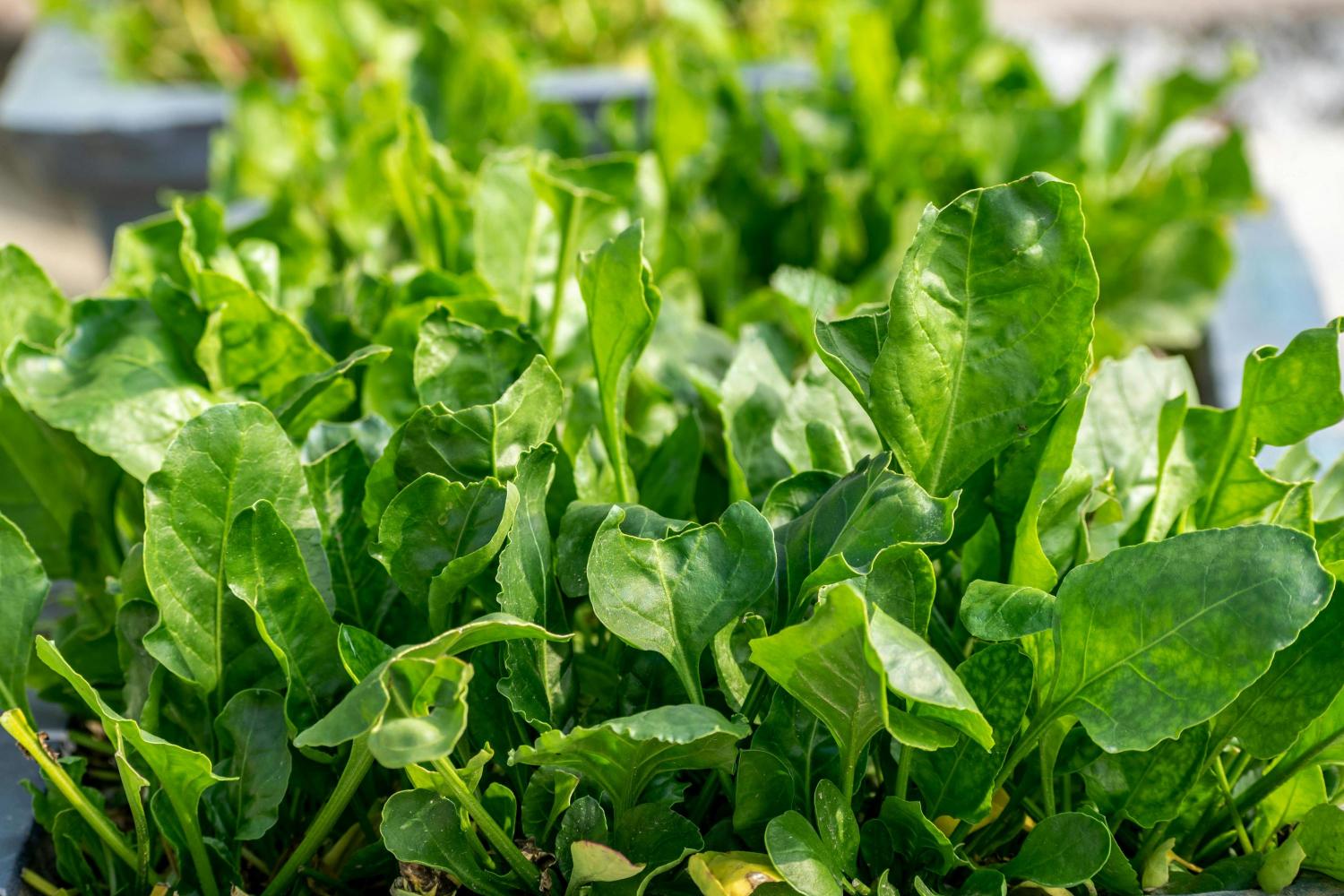
Longevity spinach is a member of the sunflower family and is native to tropical parts of Asia. It grows as a low, spreading plant with soft, somewhat succulent stems and oval-to-lance-shaped green leaves.
Despite its common name, it is not related to true spinach (Spinacia oleracea). The comparison comes from how the leaves are used: as a fresh or cooked green. You may also see the plant sold under regional names such as sambung nyawa or leaves of the gods.
Do not confuse it with Okinawa spinach, another tropical leafy green in the same genus. Okinawa spinach commonly has green leaves with purple coloring beneath, while longevity spinach is generally the all-green relative.
What Does Longevity Spinach Taste Like?
Young leaves have a mild green flavor with a slightly earthy or bitter edge. The texture is thicker and more succulent than true spinach. Older leaves can taste stronger and feel tougher, which is why tender shoot tips are usually the best choice for raw eating.
Cooking softens the texture and mellows the flavor. The leaves can be added to stir-fries, soups, egg dishes, or mixed greens. Try a small amount first rather than assuming it will taste exactly like grocery-store spinach.
Where Longevity Spinach Grows Best
Longevity spinach performs best in warm, humid conditions. In frost-free climates, it can remain productive for much of the year. In cooler areas, it is better treated as a warm-season annual or grown in a movable container.
Temperature and hardiness
This is a tropical plant, so cold weather slows growth and frost can damage or kill it. Gardeners in Zones 9–11 have the best chance of keeping it outdoors year-round. In colder zones, take cuttings before autumn or move container plants into a protected indoor space.
A plant that freezes to the ground may regrow from the roots in a mild climate, but that should not be treated as guaranteed winter hardiness. Local microclimate, freeze duration, soil drainage, and protection all matter.
Sun or shade?
Longevity spinach grows in full sun to partial shade. In very hot climates, afternoon shade can keep leaves more tender and reduce stress. Too much deep shade, however, can produce long, weak stems and slower regrowth.
How to Plant Longevity Spinach
Choose a location with well-drained soil and enough room for the stems to spread. Space plants approximately 18–24 inches apart. They can function as a loose edible groundcover, trail over the edge of a raised bed, or grow in a container.
- Plant after the danger of cold weather has passed.
- Use loose soil amended with compost if the bed is poor or compacted.
- Set the plant at the same depth it was growing in its pot.
- Water thoroughly after planting.
- Mulch lightly to reduce moisture swings and weed competition.
For a broader foundation before planting, see What You Need to Know About Soil.
How to Grow Longevity Spinach in a Container
Container growing is especially useful outside tropical climates because the plant can be moved under cover before cold weather arrives.
- Start with a pot at least 10–12 inches wide for one young plant.
- Use a container with unobstructed drainage holes.
- Fill it with a well-draining potting mix rather than garden soil.
- Pinch or harvest stems regularly to keep the plant compact.
- Move it indoors before frost, ideally to the brightest location available.
Indoor growth often slows because winter light is weaker. Reduce watering accordingly and focus on keeping the plant alive rather than expecting heavy harvests.
Watering and Feeding
Keep the soil consistently moist while the plant establishes, but avoid leaving roots in saturated soil. Once established, longevity spinach can handle short dry periods better than many tender greens, though prolonged drought reduces leaf quality and slows regrowth.
Water when the upper layer of soil begins to dry. Container plants need checking more often than plants in the ground, especially during hot or windy weather. The guide Watering 101: The Signs You’re Doing It Wrong can help diagnose common moisture problems.
In reasonably fertile soil, heavy feeding is unnecessary. A light application of compost or a balanced fertilizer during active growth is usually enough. Excess fertilizer can create fast, weak growth and increase the need for pruning.
How to Propagate Longevity Spinach From Cuttings
Stem cuttings are the normal way to make new plants. The plant roots readily, which makes it easy to preserve before winter or share with another gardener.
- Cut a healthy, non-flowering stem about 4–6 inches long.
- Remove the leaves from the lower half of the stem.
- Insert the lower nodes into moist potting mix or directly into warm garden soil.
- Keep the cutting in bright shade while roots form.
- Maintain light moisture without waterlogging the mix.
- Move it gradually into stronger light after new growth confirms rooting.
Water rooting is also possible, but a cutting started directly in potting mix avoids a second transition from water roots to soil.
How and When to Harvest
Begin light harvesting after the plant is established and producing active new growth. Pick individual young leaves or cut the top 4–6 inches of a stem. Harvesting the tips encourages branching and helps prevent the plant from becoming long and tangled.
- Choose young, clean, undamaged leaves.
- Use clean scissors when removing longer shoots.
- Leave enough foliage for the plant to continue growing.
- Harvest regularly instead of cutting the entire plant bare at once.
- Remove flower stalks when leaf production is the goal.
Wash the leaves under clean running water before eating. Discard leaves affected by disease, chemical drift, animal contamination, or heavy insect damage.
Common Problems
| Problem | Likely cause | What to do |
|---|---|---|
| Long, weak stems | Too little light or insufficient harvesting | Increase light gradually and pinch growing tips |
| Yellow leaves with wet soil | Overwatering or poor drainage | Let the upper soil dry slightly and improve drainage |
| Wilted leaves in dry soil | Water stress | Water deeply and check the plant more often in heat |
| Scorched or pale leaves | Abrupt exposure to intense sun | Acclimate the plant gradually or provide afternoon shade |
| Growth stops in autumn | Cool temperatures or weak indoor light | Protect from cold and reduce expectations until spring |
| Chewed or distorted leaves | Insects or slugs | Inspect both sides of leaves and use the least disruptive appropriate control |
Longevity spinach is often described as relatively easy to grow, but it is not immune to pests or disease. Aphids, mites, slugs, caterpillars, and root problems can still occur depending on local conditions.
Is Longevity Spinach Safe to Eat?
The leaves are used as food in parts of Asia and are described by horticultural sources as edible raw or cooked. That does not mean every medicinal claim made about the plant has been proven in people.
Laboratory and animal studies have investigated extracts of Gynura procumbens for possible biological effects, but an edible garden plant should not be presented as a treatment for diabetes, high cholesterol, high blood pressure, inflammation, cancer, or any other condition. Extracts used in research are also not equivalent to eating a few fresh leaves.
Anyone who is pregnant, breastfeeding, managing a medical condition, taking prescription medication, or considering concentrated supplements should seek qualified medical advice rather than relying on the plant’s common name or traditional reputation.
Longevity Spinach vs. True Spinach
| Feature | Longevity spinach | True spinach |
|---|---|---|
| Botanical identity | Gynura procumbens | Spinacia oleracea |
| Preferred weather | Warm to hot | Cool |
| Life cycle | Perennial in frost-free climates | Annual |
| Propagation | Usually stem cuttings | Seed |
| Growth habit | Spreading or trailing | Compact rosette |
| Flavor and texture | Thicker, slightly earthy or bitter | Tender, familiar spinach flavor |
| Cold tolerance | Poor | Good |
Frequently Asked Questions
Does longevity spinach come back every year?
It can return and remain productive in frost-free climates. In colder regions, winter may kill it, so gardeners usually grow it as an annual or preserve it through indoor cuttings.
Can longevity spinach grow indoors?
Yes, but it needs very bright light to remain compact and productive. A sunny window may keep it alive, while a strong grow light is more reliable for active winter growth.
How quickly does it grow?
Rooted plants can grow quickly once temperatures are warm and roots are established. Cool weather, deep shade, crowded roots, and overwatering slow growth considerably.
Is longevity spinach invasive?
It spreads readily by trailing stems, but horticultural guidance generally describes it as manageable rather than aggressively invasive. Keep it contained through regular harvesting and avoid dumping live cuttings where they may root.
Should the flowers be removed?
Yes, when your main goal is leaf production. Removing flower stalks redirects attention to vegetative growth and keeps the planting neater.
Is It Worth Growing?
Longevity spinach makes the most sense for gardeners who need a leafy green that keeps growing through hot weather. It is particularly useful in subtropical gardens, edible landscapes, containers, and summer beds where true spinach is out of season.
It is less suitable for gardeners expecting a cold-hardy spinach substitute or an identical flavor. Think of it as its own tropical vegetable: easy to propagate, productive when warm, and best harvested young.
Continue with the Vegetables, Herbs & Edible Gardening hub, or compare growing space options in Raised Beds vs. Ground Planting.