• Skip to main content
  • Skip to header right navigation
  • Skip to site footer
The Garden EP

The Garden EP

Honest Gardening Product Reviews & Expert Picks

  • About Us
  • Blog
  • Browse Garden EP
    • Composting & Soil Improvement
    • Garden Decor & Seasonal Accessories
    • Generators & Portable Power
    • Greenhouses & Indoor Growing
    • Hand Tools & Ergonomic Gardening Gear
    • Lawn Care & Mulching
    • Outdoor Cooking & Fire Pits
    • Outdoor Furniture & Patio Comfort
    • Outdoor Lighting & Landscape Design
    • Outdoor Power Tools
    • Pest Control & Weed Management
    • Plant Monitoring & Smart Gardening
    • Pools, Pumps & Summer Water Features
    • Seeds, Plants & Nursery
    • Smart Irrigation & Watering Systems
    • Storage Solutions & Maintenance Gear
    • Mushroom Growing & Foraging
    • Backyard Chickens & Small Livestock
    • Vegetables, Herbs & Edible Gardening
    • Plants, Flowers & Ornamentals

Vegetables, Herbs & Edible Gardening

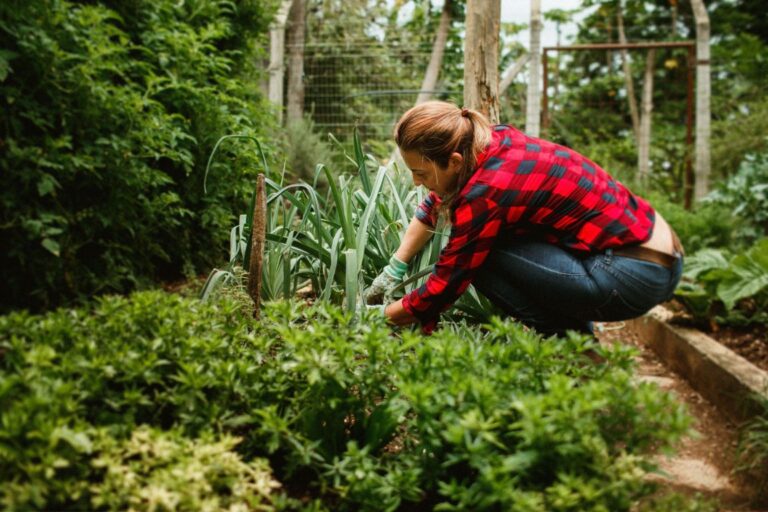
There’s something genuinely satisfying about eating food you grew yourself. It doesn’t matter if it’s a handful of cherry tomatoes from a pot on a balcony or a full raised bed of kale, beans, and courgettes, the feeling is the same.

Edible gardening is one of the fastest-growing areas of home gardening, and for good reason. It’s practical, it saves money, it gets you outside, and the results are delicious. This category is here to help you grow more, waste less, and pick the right seeds, tools, and products along the way.


What you’ll find in this category

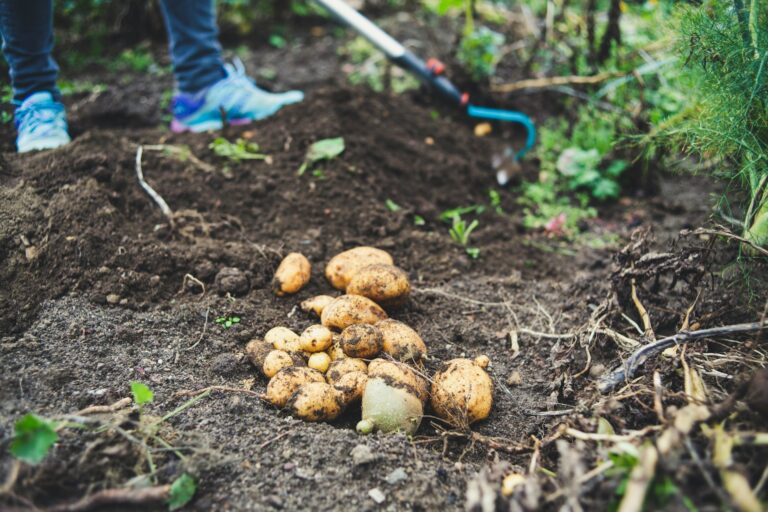
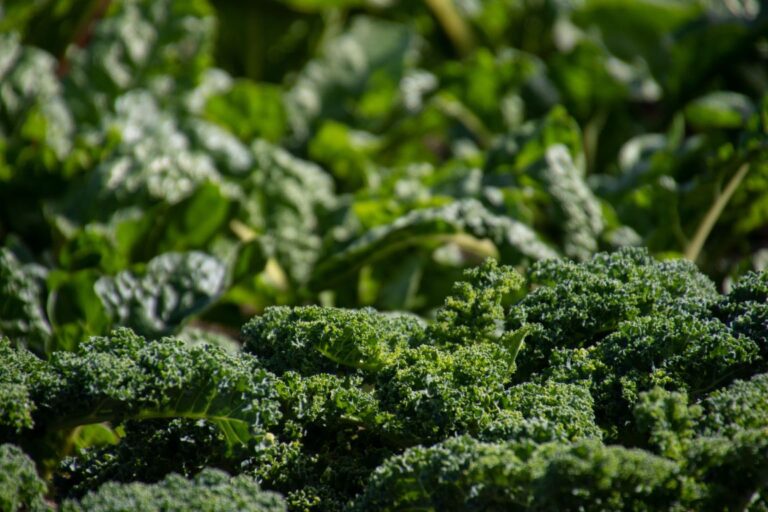
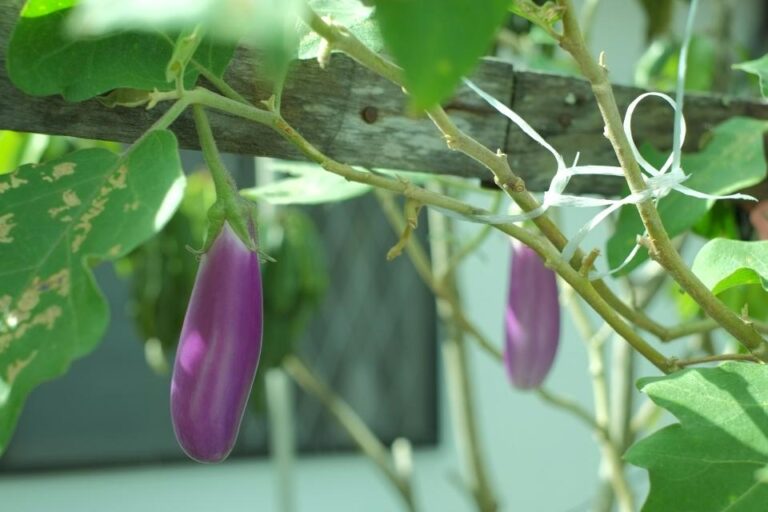
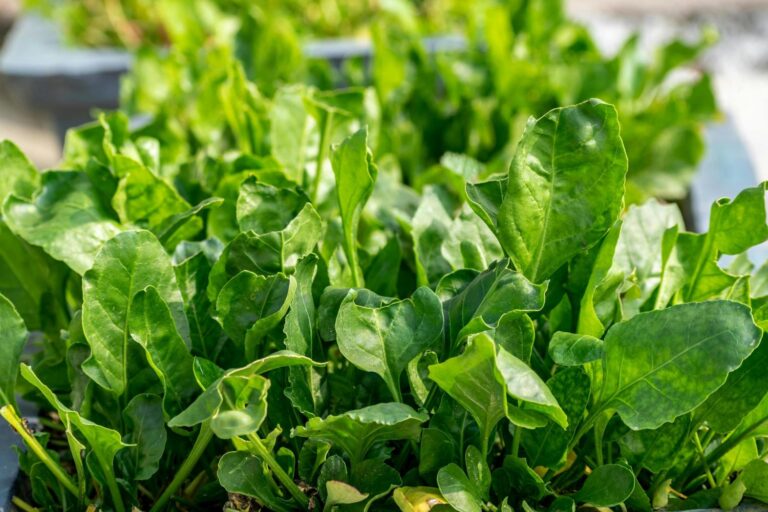
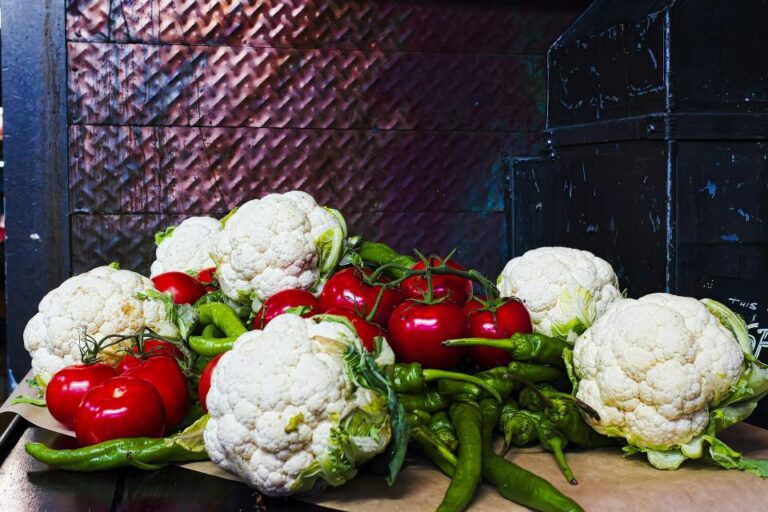
Vegetables From the classics, tomatoes, cucumbers, courgettes, peppers, kale, spinach, lettuce, to the more interesting stuff like dinosaur kale, burpless cucumbers, rainbow chard, and heritage varieties you won’t find in any supermarket. We cover growing guides, seed brand comparisons, and the products that make a real difference at harvest time.

Herbs Basil, cilantro, thyme, oregano, mint, chives, dill, parsley, sage. Herbs are some of the easiest and most rewarding plants to grow, a small pot on a windowsill can supply your kitchen all summer. We look at the best ways to grow them, when to harvest, and how to keep them producing.

Fruit trees & soft fruit Fig trees, cherry trees, apple trees, lemon trees, strawberries, raspberries, blueberries, and more. Growing fruit takes patience but pays off for years. We cover variety selection, planting guides, and the tools, from pruning saws to tree stakes that help fruit trees get established and stay productive.

Seeds & seed suppliers Seed quality matters more than most people realise. We compare popular seed brands, look at organic and heirloom options, and help you understand what to look for on a seed packet, germination rates, days to maturity, and whether a variety suits your climate.

Companion planting & crop planning Certain plants grow better together. Companion planting is one of the most useful low-effort techniques in the edible garden, and we break it down clearly, which combinations work, which to avoid, and how to plan a productive rotation year after year.

Raised beds & growing containers Raised beds have transformed how people grow food at home. We review kits, materials (cedar, galvanised steel, fabric), and the soil mixes that give vegetables the best possible start.


Why grow your own food?

Beyond the obvious (it tastes better), growing edibles gives you control over what goes on your food and where it comes from. You can grow varieties that supermarkets never stock. You can harvest at peak ripeness instead of days before. And once you get going, the cost of seeds and a bag of compost quickly starts looking very reasonable compared to the weekly grocery bill.

It’s also one of the more forgiving areas of gardening. Vegetables want to grow. Give them decent soil, enough water, and reasonable light, and most of them will do the rest.


New to edible gardening? Start here

A few things that make the biggest difference early on:

  • Start with easy wins. Courgettes, beans, lettuce, radishes, and herbs like basil and mint are genuinely hard to fail with. They build confidence fast.
  • Soil is everything. Vegetables are hungry plants. A good compost-rich soil or raised bed mix will outperform any fertiliser or gadget you can buy.
  • Grow what you actually eat. It sounds obvious, but a lot of first-time growers end up with an enormous courgette harvest they have no idea what to do with. Start with your kitchen staples.
  • Succession sow. Instead of planting all your lettuce seeds at once, sow a small row every two weeks. You’ll have a steady supply rather than a glut.
  • Learn about companion planting early. Planting onions near carrots, basil near tomatoes, or marigolds around your beds makes a real difference to pests and yields.

Coming soon in this category

We’re working through detailed guides and reviews for every corner of edible gardening. First up:

  • Best seed brands compared: Botanical Interests, Burpee, and others
  • Raised bed kits reviewed: cedar vs galvanised steel vs fabric
  • Companion planting guide: the combinations that actually work
  • Best tomato varieties for beginners (and what to grow them in)
  • Herb growing starter guide: from windowsill to garden bed
  • Fig tree varieties: which one suits your garden and climate?

At TheGardenEP.com, some links in our articles are affiliate links. If you buy something through them, we may earn a small commission at no extra cost to you. We only recommend products we’ve genuinely researched and would point a friend toward.

The Garden EP (Expert Picks) is your trusted source for curated garden product reviews and expert recommendations.

We may earn a commission through affiliate links on this page, at no extra cost to you. As an Amazon Associate I earn from qualifying purchases.

Privacy Policy

Copyright © 2026 · The Garden EP · All Rights Reserved