
Best Companion Plants for Cauliflower—and What to Avoid
Quick answer: Good companion plants for cauliflower include onions, leeks, thyme, dill, cilantro, lettuce, radishes, beets, and low flowering plants such as sweet alyssum. The best companions either use open space before cauliflower reaches full size or support beneficial insects. Avoid crowding cauliflower with other large brassicas, and do not rely on companion planting alone for cabbage worms, aphids, flea beetles, or clubroot.
Cauliflower is one of the least forgiving vegetables in the garden. It needs cool conditions, steady moisture, fertile soil, and enough uninterrupted growth to form a good head. That means the wrong companion can do more harm through competition than the right one can do through any supposed pest-repelling effect.
The most useful companion strategy is therefore simple: give cauliflower everything it needs first, then use quick crops, upright crops, and flowering borders around the remaining space.
Best Cauliflower Companion Plants at a Glance
| Companion | Why it can work | Best placement | Main caution |
|---|---|---|---|
| Onions | Compact upright growth; alliums may affect pest host-finding | Separate row or wide gaps between cauliflower plants | Do not crowd the root zone |
| Leeks | Cool-season crop with narrow upright leaves | Along a bed edge | Both crops occupy space for a long time |
| Thyme | Flowering herb with some research support in brassica systems | Sunny outer edge | Prefers drier soil than cauliflower |
| Dill | Flowers support parasitoid wasps and other beneficial insects | North edge or nearby strip | Tall plants can shade cauliflower |
| Cilantro | Cool-season herb; flowers attract beneficial insects | Between young plants or along edges | Bolts quickly in warm weather |
| Lettuce | Fast, low-growing crop that uses early-season gaps | Between young cauliflower plants | Harvest before the canopy closes |
| Radishes | Fast succession crop | Temporary gaps early in the season | Remove before root competition increases |
| Sweet alyssum | Small flowers feed beneficial insects | Bed border | Can reseed freely |
Start With Cauliflower’s Real Needs
Cauliflower grows best in cool weather with full sun, fertile soil, and consistent moisture. Most garden varieties need roughly 18–24 inches between plants, although exact spacing depends on cultivar size and production method.
Its broad leaves quickly fill the bed. A small transplant can look as though it leaves plenty of room for extra vegetables, then occupy most of that space several weeks later. Companion planting works only if you plan for mature size rather than planting-day size.
Cauliflower is also sensitive to growth interruptions. Drought, heat, root damage, nutrient stress, and competition can all reduce head quality. That is why permanent underplanting is usually less useful than temporary early-season intercrops.
Onions and Leeks
Onions and leeks fit cauliflower beds well because they grow upright instead of forming a wide canopy. They can be placed in a separate narrow row or along the outside of a cauliflower planting.
Alliums are frequently promoted as broad-spectrum pest repellents. A more careful interpretation is that strong plant odors can sometimes interfere with how insects find host crops, and mixed plantings may reduce pest pressure in certain systems.
Use onions and leeks because they are structurally compatible and may contribute to pest disruption, not because they guarantee protection from cabbage worms or aphids.
Thyme
Thyme is more interesting than many traditional companion recommendations because extension guidance cites research showing reduced caterpillar damage in broccoli systems when thyme is used nearby. Because cauliflower and broccoli share several brassica pests, thyme is a reasonable border plant to consider.
Do not place mature thyme directly in the wettest part of the cauliflower root zone. Established thyme prefers drier conditions, so the outer edge of the bed is usually the better location.
Dill and Cilantro
Dill and cilantro are valuable mainly when allowed to flower. Their small blossoms provide nectar and pollen to parasitoid wasps, hover flies, and other beneficial insects.
These insects may help suppress aphids and caterpillar pests, but their presence does not eliminate the need for scouting. Place mature dill where it will not shade cauliflower. Cilantro fits naturally in spring and fall and can be allowed to bolt along the edge of the bed.
Lettuce
Lettuce is one of the easiest crops to use between young cauliflower plants because both prefer cool conditions and lettuce matures relatively quickly.
- Plant leaf lettuce or compact heads in open gaps.
- Keep it several inches away from the cauliflower stem.
- Harvest before the cauliflower leaves begin overlapping the lettuce.
- Do not let a dense lettuce planting interfere with irrigation.
This is a strong example of companion planting based on space and timing rather than claimed pest protection.
Radishes
Radishes are useful for the same reason. They grow quickly and can be harvested before cauliflower needs the full bed.
Sow them in temporary gaps immediately after transplanting cauliflower. Harvest them as soon as they size up rather than leaving them in place after the cauliflower canopy expands.
Beets
Beets can work in a wide-row system because their leaves stay relatively low and the main harvest is below ground. A separate row is generally easier to manage than alternating individual beet and cauliflower plants.
Different root shapes do not eliminate competition. Both crops still rely on the same moisture and nutrient supply, so spacing remains important.
Sweet Alyssum and Flowering Borders
Sweet alyssum provides lots of small flowers without taking much vertical space. It is especially useful along the perimeter of a brassica bed where it can provide nectar and pollen for beneficial insects without crowding cauliflower.
Other useful flowering plants include cilantro, dill, buckwheat, and appropriate native flowers nearby. Larger or perennial insectary plants are generally better outside the main vegetable root zone.
What About Celery?
Celery is often described as one of cauliflower’s “best” companions because its scent supposedly repels cabbage pests. That claim is repeated much more often than it is demonstrated.
Celery and cauliflower can physically share a cool-season garden, but both need steady moisture and fertile soil. They are therefore more likely to compete than a small herb or quick intercrop if planted too closely.
If you grow them together, use normal crop spacing and treat the combination as two compatible cool-season vegetables—not a guaranteed reciprocal pest-control system.
Should Cauliflower Be Planted With Other Brassicas?
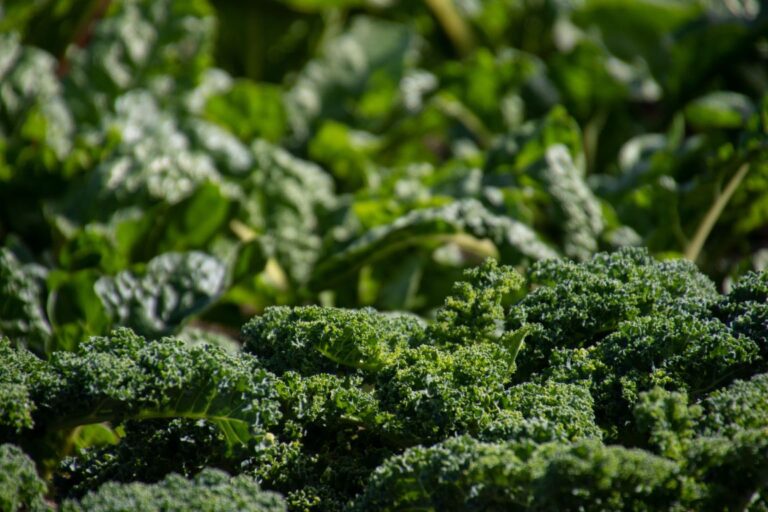
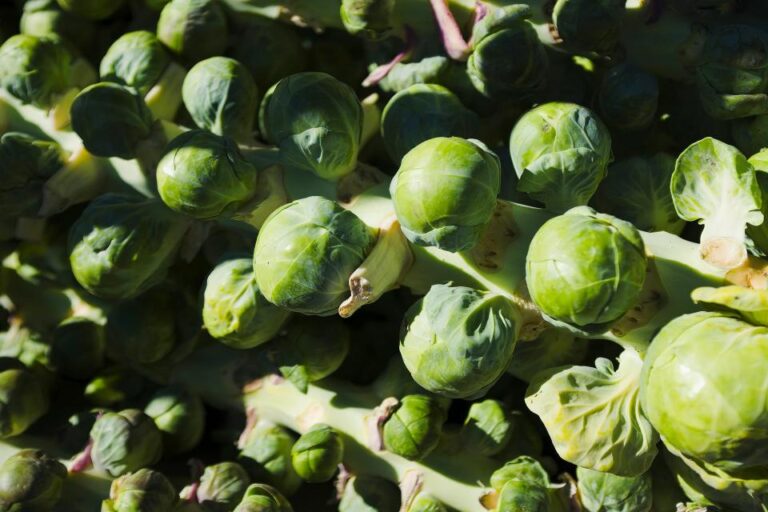
Cauliflower can grow beside broccoli, cabbage, kale, Brussels sprouts, collards, and kohlrabi. These plants are not inherently toxic to one another.
The real problem is that they share many pests and diseases. A large continuous brassica planting provides a concentrated food source for imported cabbageworm, cabbage looper, diamondback moth, flea beetles, aphids, and disease organisms.
There is no strong reason to enforce an arbitrary five- or six-foot separation between individual brassicas. Proper crop rotation, pest monitoring, and avoiding unnecessary crowding matter much more.
Plants That Usually Fit Poorly Beside Cauliflower
| Plant or situation | Why it is usually a poor fit |
|---|---|
| Pumpkins and large squash | Vines can overwhelm the cauliflower bed and complicate harvest |
| Tall corn on the sunny side | Can create excessive shade |
| Tomatoes planted tightly with cauliflower | Large plants compete heavily and prefer warmer seasonal conditions |
| Peppers and eggplant during a cool spring crop | Need warmer soil and air temperatures |
| Dense blocks of broccoli, cabbage, and kale | Concentrate shared brassica pests and diseases |
| Aggressive mint planted directly in the bed | Spreads into the root zone and becomes difficult to control |
A Practical 4-by-8-Foot Cauliflower Bed
Keep the design simple enough that each cauliflower plant receives uninterrupted light, water, and airflow.
- Plant cauliflower in two staggered rows according to the cultivar’s mature spacing.
- Sow radishes or lettuce in temporary gaps immediately after transplanting.
- Plant onions or leeks in a narrow row along one side.
- Use cilantro, dill, thyme, or sweet alyssum around the perimeter.
- Harvest quick crops before cauliflower leaves overlap them.
- Keep at least one side open for pest checks and head harvest.
Companion Plants Will Not Replace Cabbage-Worm Control
Cauliflower is highly vulnerable to imported cabbageworm, cabbage looper, and diamondback moth larvae. Companion plants may reduce pressure or support natural enemies, but they should be treated as a supporting measure only.
- Inspect the undersides of leaves several times a week.
- Use row cover or insect netting early where practical.
- Hand-pick visible caterpillars in small gardens.
- Use Bacillus thuringiensis var. kurstaki or another appropriate labeled control when needed.
- Remove crop debris after harvest if it is heavily infested.
Crop Rotation Matters More Than Companion Lists
Cauliflower belongs to the same crop family as broccoli, cabbage, kale, collards, Brussels sprouts, mustard, turnips, and rutabagas. Rotating among those crops is not a true rotation.
Move the entire brassica family to a different bed for several years where space allows, especially if clubroot or other persistent soilborne diseases have been a problem.
Crop rotation will not prevent every caterpillar because adult moths can fly into the garden, but it is important for reducing soilborne disease pressure.
Common Cauliflower Companion-Planting Mistakes
- Planting for current size: Cauliflower transplants become much wider than they first appear.
- Expecting companion plants to fix heat stress: No neighboring herb can compensate for planting cauliflower in the wrong season.
- Overcrowding with other heavy feeders: Cauliflower is sensitive to competition.
- Believing scent alone controls pests: Caterpillar management still requires scouting and barriers or targeted controls.
- Grouping every brassica together: This concentrates shared pests and diseases.
- Ignoring irrigation access: Cauliflower needs consistent moisture throughout head development.
Frequently Asked Questions
What is the best companion plant for cauliflower?
There is no single best companion. Onions, lettuce, radishes, thyme, dill, cilantro, and flowering borders each provide different practical benefits. Choose according to space, season, and the problem you are trying to solve.
Can cauliflower and onions grow together?
Yes. Their growth habits are compatible as long as each crop receives adequate spacing. Onions should be treated as a useful intercrop rather than guaranteed pest protection.
Can lettuce grow under cauliflower?
It can use the open space while cauliflower is young, but harvest it before the larger leaves close over the bed and root competition increases.
Can cauliflower be planted beside broccoli?
Yes, but the crops share many pests and diseases. Avoid a needlessly dense brassica block and rotate the entire family together in later seasons.
Does celery repel cauliflower pests?
Celery is traditionally recommended as an aromatic companion, but evidence for reliable pest protection is limited. Grow it nearby only if both crops have enough water, fertility, and space.
The Best Approach
Build the bed around cauliflower first: cool-season timing, generous spacing, fertile soil, steady moisture, and regular pest checks. Then use fast crops such as lettuce and radishes in temporary spaces, upright crops such as onions along the side, and flowering herbs around the perimeter.
This approach makes the bed more productive without depending on unproven companion-planting promises.
Continue with the Vegetables, Herbs & Edible Gardening hub, or compare the closely related guide Best Companion Plants for Broccoli.