
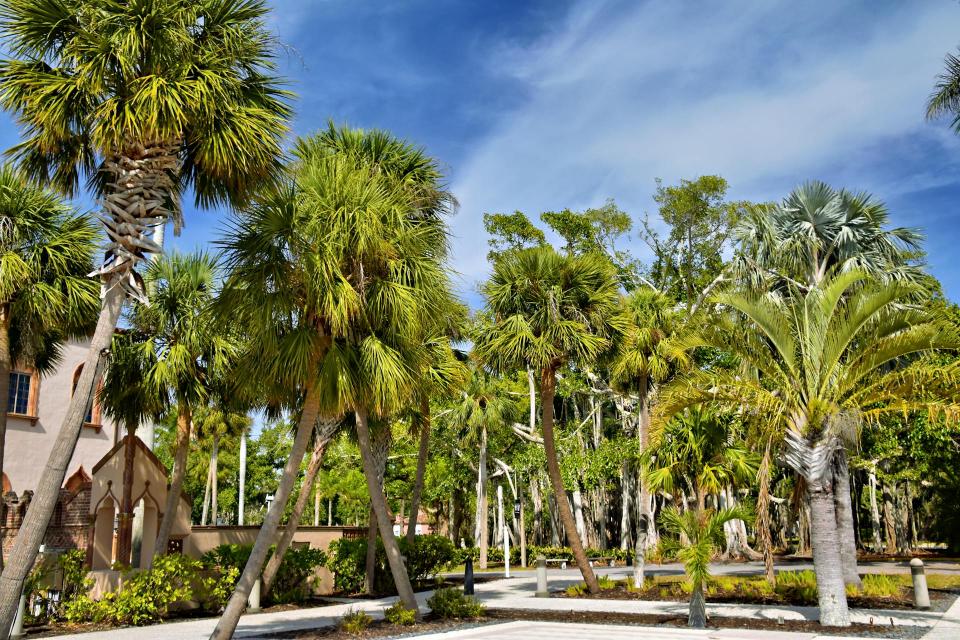
Growing Palm Trees in Your Florida Garden: Varieties and Care Tips
Palm trees define Florida landscapes. Whether you’re in Miami, Tampa, or Jacksonville, palms create that tropical feel that makes Florida gardens distinctive. But not all palms work in all parts of Florida, and choosing the wrong variety for your location or conditions leads to struggling trees, constant maintenance, or outright failure.
New Florida homeowners often inherit existing palms they don’t know how to care for, or they want to add palms but get overwhelmed by the dozens of species available at nurseries. Some palms tolerate cold. Others don’t. Some handle shade. Others need full sun. Some stay compact. Others tower 40+ feet high.
Let’s identify the most common and practical palm varieties for Florida home gardens, their care requirements, and how to choose palms that will actually thrive in your specific location and conditions.
Understanding Florida’s Palm-Growing Zones
North Florida (Zones 8b-9a): Jacksonville, Tallahassee, Gainesville. Winter lows can hit 15-25°F. Only cold-hardy palms survive here. Tropical varieties die in winter freezes.
Central Florida (Zones 9b-10a): Orlando, Tampa, Ocala. Winter lows typically 25-35°F. Most palms thrive, but tender tropical species struggle during occasional freezes.
South Florida (Zones 10b-11): Fort Lauderdale, Miami, Key West. Winter lows rarely below 35-40°F. Nearly any palm species grows successfully. Cold tolerance isn’t a concern.
Your zone determines which palms work. A palm that thrives in Miami may die in Jacksonville. Always check cold hardiness before buying.
The Best Cold-Hardy Palms for North and Central Florida
Sabal Palm (Sabal palmetto) – The Florida State Tree
Cold hardiness: Zone 8a (tolerates 10-15°F)
Mature size: 40-50 feet tall, 10-15 foot spread
Why it works: Native to Florida, extremely cold-hardy, drought-tolerant once established, handles salt spray, low maintenance. This is the most reliable palm for all of Florida.
Where to use it: Specimen tree, street tree, naturalized areas. Too large for small yards but perfect for properties with space.
Growth rate: Slow to moderate (6-10 inches per year)
Care needs: Minimal. Water during establishment (first year), then it’s drought-tolerant. Rarely needs fertilizer. Self-cleaning (old fronds fall naturally).
The reality: Not the most elegant palm, but bulletproof. If you want a palm that survives with zero effort, this is it.
Needle Palm (Rhapidophyllum hystrix)
Cold hardiness: Zone 6b (tolerates -5 to 0°F) – the most cold-hardy palm in the world
Mature size: 6-8 feet tall and wide (shrub-like, multiple stems)
Why it works: Survives anywhere in Florida and even into Georgia. Tolerates deep shade (works under tree canopies). Native species.
Where to use it: Understory plantings, shade gardens, foundation plantings, anywhere you need a small, cold-hardy palm.
Growth rate: Very slow (3-4 inches per year)
Care needs: Shade to partial sun. Prefers moist soil but tolerates drought once established. No fertilizer needed.
The caveat: Sharp needle-like spines at the base make handling difficult. Plant where people won’t brush against it.
Pindo Palm (Butia capitata)
Cold hardiness: Zone 8b (tolerates 15-20°F)
Mature size: 15-20 feet tall, 10-15 foot spread
Why it works: Beautiful blue-gray fronds, produces edible fruit (jelly palm), cold-hardy, tolerates wide soil pH range.
Where to use it: Specimen tree, grouped plantings, focal point in tropical-themed gardens.
Growth rate: Slow (4-6 inches per year)
Care needs: Full sun, well-draining soil. Drought-tolerant once established. Benefits from occasional fertilization.
Bonus: The orange fruits (about 1 inch) are edible and make excellent jelly. Birds love them too.
European Fan Palm (Chamaerops humilis)
Cold hardiness: Zone 8a (tolerates 10-15°F)
Mature size: 10-15 feet tall, similar spread (multi-trunk clumping habit)
Why it works: Stays compact, extremely drought-tolerant, handles poor soil, Mediterranean climate origins mean it loves hot, dry Florida summers.
Where to use it: Small yards, Mediterranean-style landscapes, poolside plantings, containers when young.
Growth rate: Slow (4-6 inches per year)
Care needs: Full sun, well-draining soil. Extremely low water needs once established. No fertilizer required.
The look: More Mediterranean/desert than tropical. Gray-green fan-shaped fronds give different aesthetic than typical Florida palms.
Windmill Palm (Trachycarpus fortunei)
Cold hardiness: Zone 7b (tolerates 5-10°F)
Mature size: 20-30 feet tall, 8-10 foot spread
Why it works: Extremely cold-hardy, tolerates partial shade, distinctive hairy trunk, elegant fan-shaped fronds.
Where to use it: Specimen tree, shade gardens, Asian-themed landscapes, northern Florida landscapes.
Growth rate: Moderate (8-12 inches per year)
Care needs: Partial shade to full sun. Regular water during establishment, then moderate water needs. Light feeding 2-3 times per year.
Limitation: Can look shabby in intense South Florida heat and sun. Best in Central and North Florida.
The Best Tropical Palms for Central and South Florida
Coconut Palm (Cocos nucifera)
Cold hardiness: Zone 10b (dies below 32°F)
Mature size: 50-80 feet tall, 15-20 foot spread
Why it works in South Florida: THE iconic tropical palm. Fast-growing, produces coconuts, salt-tolerant (thrives beachside).
Where to use it: Large properties only. Falling coconuts are dangerous near walkways or parking. Needs space.
Growth rate: Fast (12-24 inches per year when young)
Care needs: Full sun, well-draining sandy soil. Salt spray actually benefits it. Regular fertilization for best appearance. Needs consistent water when young.
Why it fails in Central Florida: Even brief freezes (28-32°F) damage or kill coconut palms. Don’t plant north of Palm Beach County.
Lethal bronzing disease warning: This palm disease has killed thousands of coconut palms in Florida. Consider disease-resistant varieties or alternative palms.
Areca Palm (Dypsis lutescens)
Cold hardiness: Zone 10a (damaged below 30°F)
Mature size: 15-25 feet tall, 8-12 foot spread (clumping with multiple stems)
Why it works: Fast-growing, elegant feathery fronds, creates privacy screens, relatively compact.
Where to use it: Foundation plantings, privacy hedges, poolside, containers for patios.
Growth rate: Fast (12-18 inches per year)
Care needs: Partial shade to full sun. Regular water and fertilization for best appearance. Protect from frost in Central Florida.
Popular use: Commercial landscaping loves areca palms because they grow quickly and create instant tropical impact.
Foxtail Palm (Wodyetia bifurcata)
Cold hardiness: Zone 9b (tolerates brief dips to 28-30°F)
Mature size: 20-30 feet tall, 12-15 foot spread
Why it works: Extremely ornamental with full, bushy fronds. Fast-growing. Adapts to various soils. Self-cleaning.
Where to use it: Specimen tree, accent plant, tropical landscapes, poolside.
Growth rate: Fast (12-18 inches per year)
Care needs: Full sun, well-draining soil. Regular fertilization. Moderate water needs.
The downside: Expensive to buy initially ($200-500 for decent-sized specimens). Cold sensitivity limits use to Central and South Florida.
Lady Palm (Rhapis excelsa)
Cold hardiness: Zone 9a (tolerates 20-25°F)
Mature size: 8-15 feet tall, similar spread (clumping multi-stem)
Why it works: Tolerates deep shade (perfect for indoor/outdoor use). Slow-growing means low maintenance. Works in containers indefinitely.
Where to use it: Shade gardens, under tree canopies, indoor plants in bright indirect light, entryways, patios.
Growth rate: Very slow (3-4 inches per year)
Care needs: Shade to partial sun. Regular water. Light fertilization. Protect from direct afternoon sun which burns fronds.
The premium palm: Expensive due to slow growth, but worth it for difficult shady spots where other palms fail.
Bismarck Palm (Bismarckia nobilis)
Cold hardiness: Zone 9b (damaged below 28-30°F)
Mature size: 40-60 feet tall, 15-20 foot spread
Why it works: Stunning silvery-blue fronds. Dramatic focal point. Drought-tolerant. Fast-growing.
Where to use it: Large properties only. This is a statement tree that dominates any landscape. Needs room.
Growth rate: Fast (12-24 inches per year)
Care needs: Full sun. Well-draining soil. Drought-tolerant once established. Occasional fertilization.
Buyer beware: Overused in commercial landscaping in the 2000s-2010s. Consider if you want something this trendy.
Palms to Avoid in Florida Home Gardens
Queen Palm (Syagrus romanzoffiana): Susceptible to lethal yellowing disease. Messy (constant fruit drop). Nutritional deficiencies common. Better options exist.
Phoenix Palms (Date palms): Sharp spines make them dangerous near walkways. Susceptible to Fusarium wilt disease killing thousands in Florida. Many species banned in some counties.
Chinese Fan Palm (Livistona chinensis): Invasive in South Florida. Spreads aggressively. Use native alternatives instead.
Sago Palm (Cycas revoluta): Not actually a palm (it’s a cycad), extremely toxic to dogs (often fatal if ingested). If you have pets, skip it entirely.
Palm Care Basics for Florida
Planting:
- Best time: Late spring through summer (June-August) when soil is warm
- Dig hole 1.5x wider than root ball, same depth
- Don’t bury trunk plant at same level as it was growing in nursery
- Water deeply immediately after planting
Watering:
- Daily for first week
- Every other day for weeks 2-4
- Twice weekly for months 2-3
- Once established (6-12 months), most palms are drought-tolerant
- Exception: Container palms need consistent moisture
Fertilizing:
- Use palm-specific fertilizer (8-2-12 or similar with micronutrients)
- Apply 3-4 times per year (March, June, August, October)
- Palms need manganese, magnesium, and potassium, general fertilizers lack these
- Yellowing fronds often indicate nutrient deficiency
Pruning:
- Only remove completely dead (brown) fronds
- Never remove green fronds, they’re producing food for the palm
- Don’t “hurricane cut” (removing most fronds) this weakens palms
- Cut close to trunk but don’t injure trunk tissue
Cold protection (Central and North Florida):
- Wrap trunks of tender palms with burlap during freezes
- String outdoor Christmas lights (old incandescent, not LED) in canopy for heat
- Water before freezes, moist soil retains heat better than dry
- Apply mulch around base (6-inch layer) to insulate roots
Common Problems and Solutions
Yellowing fronds:
- Cause: Nutrient deficiency (usually magnesium, manganese, or potassium)
- Solution: Apply palm fertilizer with micronutrients. Results take 3-6 months.
Brown tips on fronds:
- Cause: Salt damage (from irrigation water or coastal salt spray) or fluoride toxicity
- Solution: Leach soil with fresh water. Use rainwater if possible. Trim brown tips for appearance.
Trunk rot:
- Cause: Overwatering, poor drainage, or planting too deep
- Solution: Improve drainage. Reduce watering. If rot is advanced, palm may not recover.
Drooping new fronds:
- Cause: Transplant shock, insufficient water during establishment, or root damage
- Solution: Ensure consistent watering. May take 6-12 months to recover. Be patient.
Palmetto weevil/palm borer damage:
- Cause: Insect borers attacking stressed palms
- Solution: Keep palms healthy through proper care. Insecticide treatment requires professional application.
Choosing the Right Palm for Your Situation
For small yards (under 1,500 sq ft):
- Lady palm (8-15 feet)
- European fan palm (10-15 feet)
- Needle palm (6-8 feet)
- Pindo palm (15-20 feet)
For shade/partial shade:
- Lady palm (best choice)
- Needle palm
- Windmill palm (tolerates part shade)
- Areca palm (tolerates filtered light)
For full sun:
- Sabal palm
- Coconut palm (South Florida only)
- Foxtail palm
- Bismarck palm
- Pindo palm
For instant tropical impact:
- Foxtail palm (fast-growing, immediately recognizable)
- Areca palm (creates screens quickly)
- Coconut palm (iconic, but South Florida only)
For low-maintenance:
- Sabal palm (native, bulletproof)
- European fan palm (drought-tolerant)
- Needle palm (slow but nearly indestructible)
For cold climates (North Florida):
- Needle palm (coldest-hardy)
- Windmill palm
- Sabal palm
- European fan palm
Conclusion
Florida offers palm-growing opportunities unlike anywhere else in the continental U.S., but success depends on matching the right palm to your specific location, climate zone, and conditions. Cold-hardy palms like Sabal, Windmill, and Needle palms work throughout Florida. Tropical varieties like Coconut, Areca, and Foxtail excel in South Florida but struggle or die in northern regions.
Start with one palm that matches your zone and conditions. Learn its care requirements. Once it’s established and thriving, consider adding more. Palms are long-term investments buying the right variety initially saves years of frustration and hundreds of dollars replacing failed specimens.
Check your hardiness zone, assess your light conditions and space, then choose from the cold-hardy or tropical lists accordingly. Your Florida garden will thank you with decades of low-maintenance tropical beauty.
Key Takeaways
- Know your zone before buying palms cold hardiness is non-negotiable: tropical palms die in North Florida winters
- Sabal palm works everywhere in Florida and needs zero maintenance: the most reliable choice for bulletproof performance
- Needle palm tolerates more cold than any other palm (to -5°F): perfect for shade and the most northern locations
- Coconut palms only thrive in Zone 10b and south: anything north of Palm Beach County risks freeze damage
- Lady palm is the best choice for shade gardens: tolerates deep shade where other palms fail
- Use palm-specific fertilizer with micronutrients 3-4 times per year: yellowing fronds indicate nutrient deficiency
- Only remove completely dead brown fronds, never green ones: green fronds feed the palm
- Plant in late spring/summer when soil is warm: establishment is faster in growing season
- Small yards need compact palms Lady, European Fan, or Needle palms: avoid 40+ foot giants
- Most palms are drought-tolerant once established (6-12 months): daily watering only needed during establishment