The 3-Question Test: Are You Ready to Start a Garden?
Everyone wants a garden until they’re standing in their yard on a July afternoon, sweating through their shirt, wondering why they thought this was a good idea. The problem isn’t gardening itself, it’s starting a garden that doesn’t match your actual life.
Most gardening advice skips the most important step: figuring out if you’re actually set up for success right now, with your current schedule, space, and resources. Instead, it jumps straight to “here’s how to build raised beds” or “these are the best tomatoes to grow.”
Before you buy a single seed or spend money on supplies, answer these three questions honestly. If you can’t answer them clearly, you’re not ready yet and that’s okay. Knowing you’re not ready is infinitely better than starting, failing, and assuming you’re bad at gardening.
Question 1: Can You Commit to Being Outside 3-4 Times Per Week?
Not “Will you make time?” or “Should you prioritize this?” Can you realistically, given your actual life right now, be in your garden space 3-4 times per week during the growing season?
This isn’t about being a helicopter plant parent. This is the bare minimum for a successful first garden. You need to water when it doesn’t rain. You need to check for pests before they destroy everything. You need to harvest vegetables when they’re ready, not when you remember they exist.
Why this matters: Plants don’t pause and wait for you to be less busy. A tomato that needs water today won’t survive until you have time next week. Squash bugs that appear on Tuesday will have multiplied by Saturday. Lettuce that’s ready to harvest on Thursday will be bitter and bolted by the following Thursday.
The real question behind this question: Do you travel frequently during summer? Work long hours with unpredictable schedules? Have young kids who consume every spare minute? These aren’t reasons not to garden eventually, they’re reasons to wait until your life has space for it, or to start much smaller than you’re imagining.
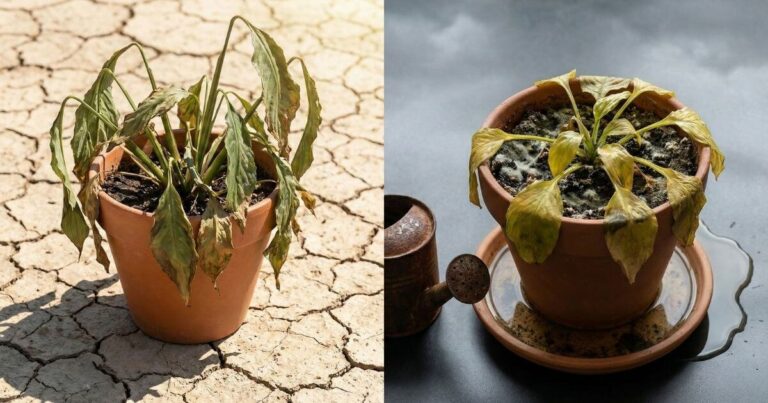
What happens if you can’t commit to this: You’ll plant with enthusiasm in spring, then watch things slowly die or get overtaken by problems through summer. You’ll feel guilty every time you look at your garden. You’ll conclude that you’re “not good at this” when really, you just weren’t set up to succeed with your current time availability.
If you answered no: Wait a year, or start with 2-3 container plants near your door that take 5 minutes to check on. A pot of cherry tomatoes and some basil teach you the rhythm of garden maintenance without overwhelming your schedule. Prove to yourself you can keep those alive, then expand.
Question 2: Do You Have At Least One Spot That Gets 6+ Hours of Direct Sun?
Not dappled light through trees. Not a bright area near a window. Actual, unobstructed, direct sunlight for at least six hours per day during the growing season.
Most vegetables and many flowers are sun-worshippers. They need that much light to produce well. You can garden in partial shade, but you’re limited to specific plants, and your first garden will be much easier if you’re not also fighting a light deficiency.
Why this matters: New gardeners consistently overestimate how much sun their space gets. That spot that “seems pretty bright” often gets 3-4 hours of direct sun, which makes it partial shade. Plant sun-loving vegetables there, and you’ll get lots of green leaves but disappointing harvests and constant pest problems because stressed plants are pest magnets.
How to actually check this: Pick a day when you’re home. Go outside at 9am and look at your planned garden spot. Is it in direct sun or shade? Check again at noon. Check at 3pm. Check at 6pm. Add up the hours of unobstructed sunlight hitting that exact location.
Do this honestly. Trees count as shade even if they seem sparse. The shadow from your house counts. That neighbor’s fence counts. Be realistic about what you find.
What happens if your sunniest spot only gets 4 hours: You can still garden, but you need to adjust expectations. Grow shade-tolerant plants like lettuce, spinach, kale, and herbs like cilantro and parsley. Skip tomatoes, peppers, and squash, they’ll disappoint you. Or consider container gardening where you can move plants to follow the sun throughout the day.
If you answered no: You have two options. First, find out if any spots in your yard are sunnier than you think by doing the hourly sun check on a clear day. Second, start with shade-tolerant plants so you’re working with your conditions instead of fighting them. Plenty of vegetables and herbs grow fine in 4-5 hours of sun, just not the ones that get all the attention in gardening content.
Question 3: Are You Willing to Start Smaller Than Feels Exciting?
This is the question that separates successful first-time gardeners from people who quit after one season.
Your brain wants a beautiful, abundant garden. Pinterest and Instagram show you photos of massive harvests and overflowing beds. You’re imagining tomatoes, peppers, cucumbers, squash, beans, lettuce, carrots, herbs, and maybe some flowers too.
But here’s what experienced gardeners know: small, well-maintained gardens produce more than large, neglected ones. And your first garden shouldn’t be about maximum production, it should be about learning your specific conditions, your habits, your climate’s quirks, and whether you actually enjoy this.
Why this matters: Every plant you add multiplies the work. Each one needs checking, watering, potentially staking or trellising, pest management, and harvesting. It adds up faster than you expect. Most new gardeners plant 3-4x more than they can realistically maintain, then spend the whole summer feeling behind and guilty.
What “starting small” actually looks like: One 4×4 raised bed or 4×8 bed. Or 4-6 large containers. That’s it for year one. Inside that space, choose 4-6 different plants. Not 15. Not “one of everything that sounds good.”
For example, a 4×8 bed could hold:
- 3 tomato plants
- 2 pepper plants
- 4-6 basil plants along the edge
That’s a summer’s worth of learning right there. You’ll figure out watering needs, pest management basics, when things are ready to harvest, and whether you actually like doing this enough to expand next year.
What happens if you start too big: You’ll keep up for the first few weeks, then slowly lose control. Weeds will appear and spread. Some plants will die from neglect. Pests will establish themselves because you didn’t catch them early. By mid-summer, your garden is a source of stress instead of joy. You’ll either push through and resent it, or you’ll give up and feel like you failed.
If you answered no: Don’t start a garden yet. Sit with why starting small doesn’t feel good enough. Is it because you want to impress people? Because you’re comparing yourself to experienced gardeners? Because you need to prove something? None of those are good reasons to garden. They’re recipes for burnout.
Wait until you can get genuinely excited about growing 4-6 plants really well. That shift in mindset is what separates people who garden for one year from people who garden for life.
If You Answered Yes to All Three
You’re ready. Not ready to know everything, you’ll learn as you go. But ready to actually succeed at your first garden because you’ve set yourself up with realistic expectations about time, space, and scope.
Here’s what happens next. You’ll spend a few weeks planning: measuring your space, deciding what to grow, figuring out your frost dates, and preparing your soil. You’ll start small like you promised yourself. You’ll make mistakes, but you’ll catch them early because you’re only managing a small area. You’ll learn fast.
By the end of your first season, you’ll know more about your specific garden conditions than any article can teach you. You’ll know which plants thrived and which struggled. You’ll know where the sun actually hits versus where you thought it would. You’ll know whether you like this enough to expand.
And if you do expand, you’ll do it intelligently, based on real experience instead of Pinterest dreams.
If You Answered No to Any of Them
Don’t feel bad. You’re ahead of most people because you know you’re not ready, which means you won’t waste time, money, and enthusiasm on a doomed first attempt.
Figure out which question was your “no” and work on that. If it’s time, look at your schedule in six months and see if anything changes seasonally. If it’s sun, spend time observing your space and identifying the sunniest spots or considering container gardening. If it’s the size question, work on your expectations until a small garden feels like enough.
Gardening will still be here when you’re ready. And when you do start, you’ll start right.