
Quick answer: Dracaena is one of the easiest large houseplants to grow. It copes with average indoor light and humidity, needs water only when the top inch of soil is dry, and grows slowly enough to keep for years. It is toxic to cats and dogs, so keep it out of their reach.
With over 100 species and varieties, this plant family offers something for everyone, from tall tree-like canes to compact tabletop styles. In this guide, we’ll explore why Dracaena plants make such excellent indoor companions, how to care for them, and the best varieties to grow.
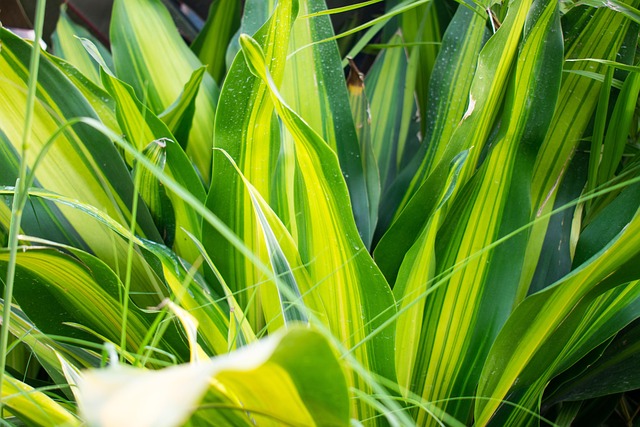
Why Choose a Dracaena Indoor Plant?
Dracaenas check all the boxes for a modern, fuss-free houseplant:
- Visually stunning: Long, narrow, often striped leaves give it a sculptural look.
- Low maintenance: Tolerates neglect, low light, and inconsistent watering.
- Long-lived: slow growth means it stays a manageable size for years.
- Versatile size: Comes in tall, medium, or compact forms to suit any room.
- Pet warning: While great for humans, Dracaena is toxic to cats and dogs if ingested, so keep it out of reach.
Most Popular Types of Dracaena for Indoors
Not sure which variety to bring home? Here are a few favorites:
1. Dracaena marginata (Dragon Tree)
With spiky, sword-like leaves edged in red or purple, this variety grows tall and thin, ideal for corners or minimalist interiors.
2. Dracaena fragrans (Corn Plant)
Named for its cane-like stalks and broad, arching leaves. Often used in offices and lobbies for its classic look and easy care.
3. Dracaena ‘Lemon Lime’
A bright showstopper with vibrant lime and yellow stripes down the center of each leaf.
4. Dracaena ‘Janet Craig’
Deep green, glossy leaves and a more compact shape. It thrives in lower light and needs minimal attention.
5. Dracaena reflexa (Song of India)
Striking variegated leaves with yellow or cream margins, and a more bushy, branched growth style.
How to Care for a Dracaena Indoor Plant
1. Light
Dracaenas prefer bright, indirect light but will also tolerate low-light conditions, just avoid harsh direct sun, which can scorch the leaves.
- Ideal: Near an east- or north-facing window
- Tolerates: Office fluorescent lighting
- Avoid: Full sun or deep shade
2. Watering
Overwatering is the most common way to harm your Dracaena.
- Water only when the top inch of soil feels dry.
- Use a pot with good drainage.
- Avoid tap water with fluoride or chlorine, these can cause leaf tip browning. Use filtered or distilled water if possible.
3. Humidity & Temperature
Dracaenas thrive in average household humidity but appreciate an occasional misting in dry climates.
- Ideal temperature: 65°F to 80°F (18°C–27°C)
- Avoid cold drafts or sudden temperature changes
4. Soil & Potting
Use a well-draining all-purpose houseplant mix. You can also add perlite or sand for extra drainage.
Repot every 2–3 years or when roots outgrow the container.
5. Fertilizer
Feed monthly during the growing season (spring through summer) with a balanced liquid houseplant fertilizer at half strength. Skip feeding in winter.
Pruning and Grooming Tips
Dracaenas grow slowly, but you can prune them to control shape or encourage bushier growth:
- Cut above a leaf node (where the leaf meets the stem).
- New shoots will grow from the cut point.
- Always use clean, sharp scissors.
Wipe leaves occasionally with a damp cloth to remove dust and improve light absorption.
Troubleshooting Common Issues
| Problem | Cause | Solution |
|---|---|---|
| Brown leaf tips | Fluoride in water or dry air | Switch to filtered water; mist plant |
| Yellowing lower leaves | Normal aging or overwatering | Remove old leaves; reduce watering |
| Drooping leaves | Underwatering or root rot | Check soil moisture and adjust care |
| Sticky residue on leaves | Possible pest issue (mealybugs) | Treat with insecticidal soap or neem |
Can Dracaena Grow in Water?
Yes! Some Dracaena types, like lucky bamboo (technically Dracaena sanderiana), grow well in water alone. For others, you can root cuttings in water before planting them in soil.
To grow in water:
- Use a clear vase or jar.
- Keep water clean and change it weekly.
- Avoid direct sunlight to prevent algae growth.
Styling Ideas: Where to Put Your Dracaena
Dracaenas are versatile and sculptural, great for adding height or softness to your room. Try placing them:
- In a corner of your living room for vertical impact
- Beside a work desk to add greenery without clutter
- In a hallway to soften edges and add life
- On a bathroom shelf (if light allows) for a spa-like vibe
Is Dracaena Toxic to Pets?
Yes. The ASPCA lists dracaena as toxic to dogs and cats. It contains saponins, and chewing it can cause vomiting (occasionally with blood), drooling, loss of appetite, depression, and dilated pupils in cats. Keep plants out of reach, and call your vet or the ASPCA Animal Poison Control Center if a pet eats some.
Does Dracaena Clean the Air?
Older laboratory studies, including NASA’s 1989 Clean Air Study, found that plants removed some chemicals from small sealed chambers. A 2019 review of those studies found that a typical home would need between 10 and 1,000 plants per square meter to match the effect of ordinary ventilation. Grow it for its looks rather than as an air purifier.
Final Thoughts
The Dracaena indoor plant is a timeless favorite in the houseplant world, for good reason. With its bold, tropical foliage, forgiving nature, and modern look, it fits effortlessly into any home or office. Whether you’re going for a dramatic floor plant or a compact shelf companion, there’s a Dracaena variety that fits your space and lifestyle.
With just a little light, the right watering routine, and a bit of love, your Dracaena will thrive for years, bringing calm, beauty, and cleaner air to your space.
Sources
- ASPCA Animal Poison Control: Dracaena
- NC State Extension Plant Toolbox: Dracaena fragrans
- Cummings and Waring (2019), “Potted plants do not improve indoor air quality,” Journal of Exposure Science & Environmental Epidemiology