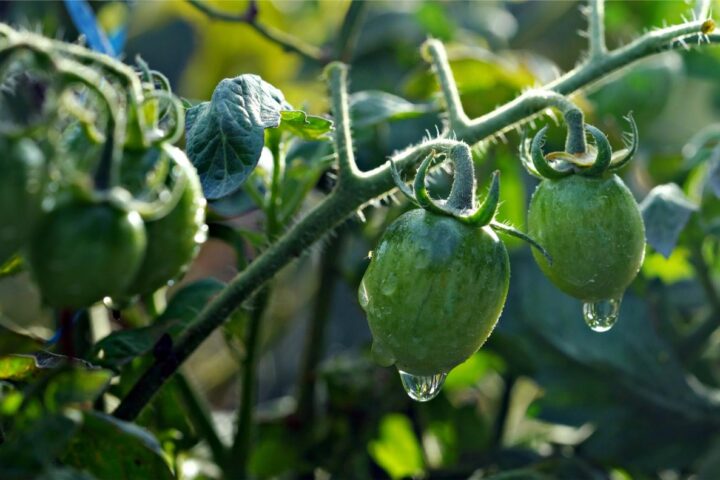
Quick answer: Tomatoes need at least 6 hours of direct sun a day, and 8 hours or more gives the best yields in most gardens. With less than 6 hours, plants grow tall and leafy but flower and fruit poorly. In very hot climates, though, more sun is not always better: when days stay above about 90°F and nights stay above about 70°F, flowers drop without setting fruit, and a little afternoon shade can help.
Tomatoes are sun-loving plants, and light is often the hidden reason a healthy-looking plant produces only a handful of fruit. But “full sun” means different things in a cool northern garden and in a hot southern one. This guide explains how many hours tomatoes need, what happens when they get too little or too much, and how to make the most of the spot you have.
How Many Hours of Sun Do Tomatoes Need?
Extension services consistently put the minimum at about 6 hours of direct sunlight a day. Alabama Cooperative Extension, for example, advises making sure tomato plants get at least 6 hours of full sun daily to support flowering and fruit set. Below that, flowering drops off.
Six hours is a minimum, not a target. In most gardens, a spot with 8 or more hours of direct sun produces more fruit, ripens it earlier, and keeps leaves drier, which helps with disease.
| Direct sun per day | What to expect |
|---|---|
| 8 hours or more | Best yields in most climates; ideal for large-fruited and late varieties |
| 6 to 8 hours | Good production; a reasonable spot for most tomatoes |
| 4 to 6 hours | Noticeably fewer flowers and fruit |
| Under 4 hours | Leggy plants with very little fruit; tomatoes are a poor choice here |
“Direct sun” means sunlight falling on the plant itself, not bright shade or light reflected off a wall. If you’re not sure how many hours a spot gets, our guide to understanding sun requirements explains how to measure it over a day.
What Happens When Tomatoes Don’t Get Enough Sun?
A tomato grown in too much shade usually tells you so:
- Tall, thin, stretched stems as the plant reaches for light
- Plenty of leaves but few flowers
- Flowers that drop without forming fruit
- Fruit that ripens slowly, or stays small
- Pale, weaker growth that is more prone to disease, because leaves stay damp longer
Low light is not the only cause of poor fruiting. Too much nitrogen fertilizer, uneven watering, and temperature extremes cause similar symptoms, so check those too before moving a plant.
Can Tomatoes Get Too Much Sun?
In cooler and moderate climates, tomatoes rarely get too much light. In hot climates, the real issue is heat rather than light itself.
Tomato flowers are sensitive to temperature. Alabama Extension reports that when days exceed about 85°F and nights stay above about 72°F, flowers often abort, and that longer stretches of heat cause more damage. NC State Extension notes reduced fruit set when daytime temperatures stay above 90°F or nights above 70°F, and that tomatoes set fruit best with days around 70 to 85°F and nights around 60 to 70°F. Cool nights can be a problem too: Colorado State University Extension notes that below about 55°F at night, pollen fails to develop properly.
Intense sun can also scald fruit. Rutgers Cooperative Extension describes sunscald as white or yellowish patches on the side of the fruit facing the sun, and advises never removing mature foliage, since leaves shade the fruit.
When afternoon shade helps
In hot summer regions, a spot with full morning sun and some shade in the hottest part of the afternoon can actually improve fruit set during heat waves. Colorado State Extension suggests shade cloth that blocks about 30% of light to help plants hold more blossoms in high heat. Kansas State University Extension also notes that shading fruit, with the plant’s own leaves or shade cloth, can reduce cracking.
How to Get More Sun on Your Tomatoes
- Choose the sunniest spot you have, ideally with open sky to the south. A south- or west-facing wall can add warmth in cool climates, but may be too hot in the South.
- Space plants properly so they don’t shade each other. Crowded plants also stay damp and get more leaf disease.
- Grow in containers if your garden is shady. Pots let you put tomatoes on the sunniest patio or driveway corner, and move them if the sun shifts during the season. Remember that pots need more frequent watering; see how often to water tomato plants.
- Pick a variety that fits the sunny space you have. Compact determinate varieties are easier to fit into a small sunny corner or container; our guide to determinate vs indeterminate tomatoes explains the difference.
- Trim nearby shrubs or branches that cast shade over the bed, rather than thinning the tomato’s own leaves.
Growing Tomatoes Indoors or Under Lights
Tomatoes are difficult to fruit indoors because even a sunny window gives far less light than outdoors. Seedlings started indoors need strong light from the start or they become leggy; once they are outside and established, sunlight takes over. If you do grow a small variety indoors, a bright south-facing window plus supplemental grow lights gives it the best chance.
Frequently Asked Questions
Can tomatoes grow in partial shade?
They can grow, but they will flower and fruit less. With 4 to 6 hours of direct sun, expect a smaller harvest. Below about 4 hours, tomatoes are rarely worth it; a container moved to the sunniest spot you have is usually a better option.
Is morning or afternoon sun better for tomatoes?
Both count, but morning sun dries dew off the leaves early, which helps limit leaf diseases. In hot climates, morning sun with some afternoon shade is often the best combination.
Why are my tomato flowers falling off?
The most common causes are temperature extremes (hot days with warm nights, or cold nights), too little sun, uneven watering, and excess nitrogen. Flowers usually start setting fruit again once conditions improve.
Do tomatoes need sun to ripen?
The fruit itself doesn’t need direct sun to ripen. Kansas State University Extension notes that tomatoes picked as they begin to color will finish ripening indoors at room temperature, which can also reduce cracking.
The Bottom Line
Give tomatoes at least 6 hours of direct sun, and 8 or more if you can. In cool and moderate climates, the sunniest spot is the right spot. In hot climates, watch for flower drop during heat waves, keep the plant’s leaves to shade the fruit, and consider light afternoon shade or shade cloth. Steady watering matters just as much, so pair this with our guide to watering tomatoes.
Sources
- Alabama Cooperative Extension System: Blossom drop in tomato
- NC State Extension (Hoke County): Tired summer tomatoes
- Colorado State University Extension: Growing tomatoes
- Rutgers Cooperative Extension: Growing tomatoes in the home garden
- Kansas State University Extension: Tomato cracking, is it preventable?
- NC State Extension: Growing tomatoes in the home garden